

When devastating injuries change your life forever in rural Oklahoma, finding a Muskogee catastrophic injury lawyer who understands the unique challenges of accessing quality medical care, rehabilitation services, and long-term support in agricultural communities becomes essential for protecting your future. Smith Barkett Law Group brings specialized knowledge of rural injury cases to victims throughout Muskogee County, recognizing that catastrophic injuries in farming and rural industrial settings often involve complex liability questions, limited local medical resources, and family business disruptions that require comprehensive legal strategies. Our firm's deep understanding of rural Oklahoma's economic structure, community dynamics, and agricultural operations enables us to build stronger cases while helping families navigate the overwhelming challenges of catastrophic injury recovery in areas where resources may be scarce.

Rural catastrophic injuries present unique challenges that urban practitioners may not fully appreciate, from longer emergency response times and limited trauma care facilities to the economic devastation these injuries can cause for family farming operations and small business enterprises.
The interdependent nature of rural families and communities means that catastrophic injuries often affect extended family members, business partners, and neighbors who depend on injured victims for labor, expertise, or economic support. These broader impacts must be carefully documented and presented as part of comprehensive damage claims.
Agricultural communities face heightened risks for catastrophic injuries due to heavy machinery, chemical exposures, animal handling, and the remote locations where many accidents occur. When these severe injuries occur, families must not only cope with medical crises but also address immediate concerns about farm operations, livestock care, and seasonal work that cannot be put off.
The seasonal nature of agricultural work can complicate both injury treatment and legal case development, as victims may face pressure to return to work during critical farming periods even when medical recovery remains incomplete.
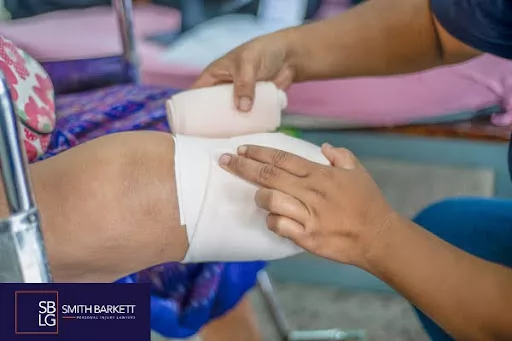
Rural Oklahoma's economy and geography create specific patterns of catastrophic injuries that require specialized legal knowledge and medical understanding to handle effectively.
Agricultural equipment accidents involving tractors, combines, hay balers, and other heavy machinery can cause devastating crushing injuries, traumatic amputations, and entanglement accidents that result in permanent disabilities requiring lifelong medical care and rehabilitation.
Pesticides, herbicides, fertilizers, and other agricultural chemicals can cause severe chemical burns, respiratory injuries, neurological damage, and other catastrophic injuries that may not be immediately apparent but develop into permanent disabilities requiring extensive medical treatment and ongoing monitoring.
The Arkansas River, farm ponds, and recreational lakes throughout Muskogee County create risks for near-drowning incidents that can result in severe brain injuries, spinal cord damage from diving accidents, and other catastrophic injuries that profoundly affect cognitive function and physical capabilities.
Rural roads, agricultural terrain, and off-road vehicle use create elevated risks for rollover accidents and ejection injuries that can cause traumatic brain injuries, spinal cord damage, multiple fractures, and other severe trauma requiring immediate emergency care and long-term rehabilitation.
Manufacturing facilities, grain elevators, and processing plants in rural areas often involve heavy machinery, conveyor systems, and industrial equipment that can cause catastrophic injuries, including amputations, crushing injuries, chemical burns, and respiratory damage from toxic exposures.
Agricultural operations, rural construction, and maintenance work often involve proximity to power lines and electrical equipment that can cause severe electrocution injuries resulting in cardiac damage, neurological injuries, severe burns, and other catastrophic conditions requiring specialized medical treatment.
Rural catastrophic injuries face significant challenges related to emergency medical response times, transportation to appropriate trauma facilities, and coordination between local emergency services and specialized medical centers that may be hours away from accident locations.
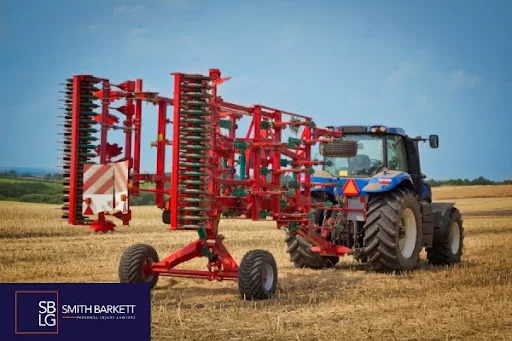
Agricultural equipment accidents often involve complex liability questions, including manufacturer defects, dealer responsibilities, maintenance failures, and inadequate operator training. Farm safety education and injury prevention programs provide important safety guidelines, but accidents still occur regularly due to equipment failures or safety violations.
Understanding federal and state safety standards for agricultural equipment, manufacturer warranty obligations, dealer service responsibilities, and operator training requirements is crucial for identifying all potentially liable parties and maximizing compensation for victims of catastrophic injuries.
Rural areas may involve exposure to various environmental hazards, including agricultural chemicals, industrial pollutants, contaminated water sources, and naturally occurring substances that can cause catastrophic injuries or illnesses. These exposure cases often require complex medical and scientific analysis to prove causation and the extent of injuries.
Family farms that have operated for generations face unique challenges when catastrophic injuries prevent key family members from continuing their traditional roles in farm management, physical labor, or business decision-making that affects multiple generations of family members.

Many agricultural operations are exempt from workers' compensation requirements, making third-party liability claims more important for catastrophically injured farm workers and family members. Understanding these exemptions and identifying alternative sources of compensation is crucial for rural cases involving catastrophic injuries.
Agricultural equipment manufacturers, chemical suppliers, contractors, and other parties may provide liability coverage even when workers' compensation is not available, requiring a comprehensive investigation to identify all potential sources of compensation for catastrophic injuries.
Even when agricultural operations are exempt from workers' compensation, equipment manufacturers, dealers, maintenance providers, and other third parties may bear liability for catastrophic injuries caused by defective products, inadequate maintenance, or safety violations that contribute to severe accidents.
Rural communities often provide strong informal support networks for families dealing with catastrophic injuries, including assistance with farm operations, household tasks, transportation to medical appointments, and emotional support during recovery periods.
Agricultural worker safety and health resources provide important information about injury prevention and support services, while local community organizations, churches, agricultural cooperatives, and neighbor networks offer practical assistance that can significantly impact recovery outcomes and family stability.

Our firm's experience with rural catastrophic injury cases includes understanding how agricultural accidents differ from urban injury scenarios, identifying the medical resources available in rural areas, and coordinating comprehensive care plans while building strong legal cases that address the unique challenges faced by rural families.
This experience enables us to work effectively with rural medical providers, understand agricultural operations and their associated risks, and present complex cases to juries who may have different perspectives on rural life and agricultural work compared to urban jury pools.
How do farm equipment injuries differ from other catastrophic injury cases?
Farm equipment injuries often involve unique liability questions including manufacturer defects, dealer responsibilities, maintenance failures, and agricultural exemptions from certain safety regulations. Workers' compensation may not apply to family farm operations, making third-party liability claims a crucial means of accessing adequate compensation.
What if agricultural chemicals caused my catastrophic injury?
Chemical exposure cases require complex medical analysis to prove causation and document long-term health effects that may not be immediately apparent. EPA Pesticide Safety regulations provide safety standards, and violations may support liability claims against manufacturers, applicators, or property owners.
Are there specialized medical facilities for rural catastrophic injuries?
Rural areas may lack specialized trauma care, requiring transport to urban medical centers for optimal treatment. Understanding which facilities provide appropriate care for specific injury types and how transportation and family support are coordinated is crucial for achieving best possible outcomes.
How does workers' compensation work for farm injuries?
Many family farm operations are exempt from workers' compensation requirements, but commercial agricultural businesses may be covered. When workers' compensation applies, third-party claims against equipment manufacturers or other parties may still provide additional compensation beyond statutory benefits.
What long-term care options exist in rural Oklahoma?
Rural long-term care options may be limited, requiring a combination of local services, urban specialized care, and home-based assistance. National Rural Health Association resources offer guidance on accessing appropriate services while maintaining connections to and support within rural communities.

Catastrophic injuries in rural Oklahoma require legal representation from attorneys who understand both the complex medical and legal issues these cases involve and the unique challenges of rural community life, agricultural operations, and limited local resources that affect case development and recovery planning.
Smith Barkett Law Group's combination of catastrophic injury expertise and rural Oklahoma knowledge makes us the right choice for protecting your rights and securing comprehensive compensation that addresses both immediate medical needs and long-term care requirements. Contact us today for a complimentary consultation to discuss your case and explore how our expertise can help your family navigate this challenging time while building the strongest possible legal case.
"*" indicates required fields

