

Suffering a life-altering catastrophic injury while pursuing your education or career in Norman requires a Norman catastrophic injury lawyer who understands how these devastating injuries impact not only physical health but also academic goals, career aspirations, and the unique support systems found in university communities.
Smith Barkett Law Group recognizes that catastrophic injuries in Norman often involve young adults whose entire futures hang in the balance, requiring legal strategies that address interrupted education, altered career paths, and the specialized medical and rehabilitation needs of victims who may have decades of life ahead with permanent disabilities. Our firm's experience with local community cases enables us to address the complex insurance, liability, and damage issues that arise when catastrophic injuries take place in Norman.

Norman's character as a university town creates unique scenarios involving catastrophic injuries that may prevent students from completing professional degree programs, alter the research careers of faculty, and create specific liability and insurance considerations for staff roles in educational environments, all of which require specialized legal knowledge.
Of course, we can also handle catastrophic injury cases that develop in the local community. Regardless of how your accidents happened, reach out to us today to explore your options.
Catastrophic injuries in university settings require an understanding of educational institution liability, student rights and responsibilities, federal education regulations, and the unique insurance coverage issues that arise when academic environments intersect with severe injury cases requiring lifelong medical care and support.
University communities also present opportunities for innovative rehabilitation approaches, access to research-based treatments, and specialized services that may benefit individuals with catastrophic injuries, but accessing these resources requires knowledge of academic medical programs and research initiatives.

Norman's university environment and growing suburban community create specific patterns of catastrophic injury incidents that require specialized medical knowledge and legal expertise to handle effectively.
University research operations involve hazardous chemicals, radioactive materials, biological agents, and experimental equipment that can cause catastrophic injuries including chemical burns, radiation exposure, respiratory damage, and neurological injuries that may have delayed onset but permanent consequences. Research laboratory safety standards provide important guidelines for preventing these accidents.
Ongoing community development and facility maintenance create scenarios where catastrophic injuries can occur involving construction equipment, electrical systems, structural failures, or hazardous material exposure that result in severe burns, crushing injuries, traumatic brain injuries, or spinal cord damage requiring immediate trauma care and long-term rehabilitation.
University athletic programs and recreational activities create risks for catastrophic injuries including spinal cord injuries from contact sports, traumatic brain injuries from head impacts, severe orthopedic injuries requiring multiple surgeries, and heat-related injuries that can cause organ damage or neurological complications.
Local facilities and structures may experience structural failures, fire-related injuries, carbon monoxide poisoning, or electrical accidents that cause catastrophic injuries to residents and patrons, requiring knowledge of building codes, and safety regulations.
The high concentration of pedestrian, vehicle, and bicycle traffic in the local area create opportunities for catastrophic accidents. These can lead to devastating injuries that could ipmact someone for the rest of their life.
Student rental properties may have safety deficiencies, including structural problems, electrical hazards, fire safety violations, or security failures that contribute to catastrophic injuries, creating liability for property owners, management companies, or contractors responsible for maintaining safe living conditions.
Educational institutions typically hold multiple insurance policies that may provide coverage for catastrophic injuries; however, understanding policy coverage, coordination between different insurers, and claims procedures requires specialized knowledge of institutional insurance practices and coverage limitations.
University insurance may include general liability coverage, student accident policies, research operation insurance, athletic program coverage, and specialized policies for international programs or high-risk activities that could provide compensation for catastrophic injury claims.

University health services are typically designed for routine medical care rather than treating catastrophic injuries, but understanding their role in emergency response, referral procedures, and ongoing care coordination can be crucial for developing catastrophic injury cases and ensuring optimal medical outcomes.
Limitations of student health services mean that catastrophic injury victims typically require immediate transfer to trauma centers and ongoing care through community medical providers. Still, coordination with university health services may be important for insurance coverage and academic accommodation issues.
University community catastrophic injuries often affect students whose families live in other states, creating challenges for family involvement in medical care, legal proceedings, and long-term care planning that require coordination across state boundaries and potentially long distances.
Understanding how to coordinate medical care, insurance coverage, legal proceedings, and family support when hundreds or thousands of miles may separate catastrophic injury victims and their families is crucial for comprehensive case management and optimal outcomes.
University research operations create unique liability scenarios when catastrophic injuries result from laboratory accidents, equipment failures, chemical exposures, or safety protocol violations that may involve institutional responsibility, federal regulation compliance, and specialized insurance coverage for research activities.

University housing must meet specific safety standards for fire protection, structural integrity, electrical systems, and security measures, and failures in these areas that contribute to catastrophic injuries may create institutional liability requiring detailed analysis of building codes, safety regulations, and duty of care standards.
Catastrophically injured students may require extensive rehabilitation services while attempting to continue their education through disability accommodation programs, requiring coordination between medical providers, educational institutions, and legal advocates to ensure appropriate support and accommodation.
Disability services and support in higher education provide important frameworks for ensuring that catastrophically injured students receive appropriate educational accommodations. Still, implementation may require legal advocacy to ensure institutional compliance with disability rights laws.
When catastrophic injuries prevent students from completing planned educational programs or pursuing intended careers, comprehensive transition planning becomes essential for identifying alternative educational paths, career options, and life planning that maximizes independence and quality of life within injury limitations.
Our firm's experience with university community catastrophic injury cases provides important advantages for victims navigating the unique challenges these cases present, including an understanding of educational institution policies, coordination with academic medical programs, and advocacy for victims whose injuries affect their educational and career goals.
This experience enables us to work effectively with university administrations, coordinate with academic medical programs, and present cases that address both immediate medical needs and long-term impacts on educational and career aspirations that are unique to university community catastrophic injury cases.
What if my catastrophic injury happened in a university research lab?
Research laboratory injuries may involve university liability when safety protocol failures, equipment defects, inadequate training, or regulatory violations contribute to accidents. Universities have specific obligations to maintain safe research environments, and failures may create institutional liability even when governmental immunity might otherwise apply.
Can the university be held liable for catastrophic housing injuries?
University housing liability depends on specific circumstances, including building code compliance, safety system maintenance, hazard identification and correction, and whether institutional negligence contributed to injury-causing conditions. Universities have duties to provide safe housing that may create liability when failures result in catastrophic injuries.
How do catastrophic injuries affect financial aid and education costs?
Catastrophic injury settlements may impact need-based financial aid eligibility, necessitating careful planning to safeguard educational funding while ensuring adequate medical care resources. Higher education safety and quality standards may also be relevant to institutional liability determinations.
What rehabilitation services are available for injured students?
Rehabilitation services may include university disability services, community medical rehabilitation programs, vocational rehabilitation through state agencies, and specialized programs for young adults with catastrophic injuries. Coordination between these services is essential for optimal outcomes.
Can international students pursue catastrophic injury claims?
International students have the same legal rights as domestic students to pursue claims for catastrophic injuries, but may face additional challenges, including considerations related to visa status, coordinating insurance coverage, communicating with family across international boundaries, and cultural factors that impact medical care and legal proceedings.
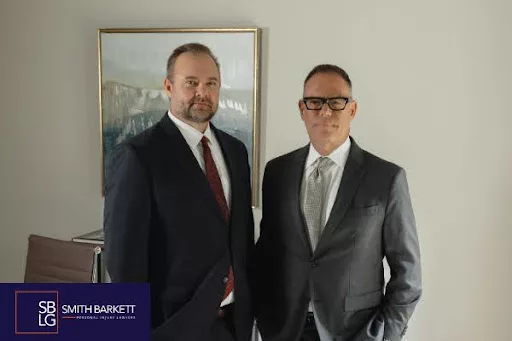
Catastrophic injuries in university communities require legal representation from attorneys who understand both the complex medical and legal issues these cases involve, as well as the unique challenges of educational environments, student rights, and academic community dynamics that affect case development and outcomes.
Smith Barkett Law Group's experience with Norman-area catastrophic injury cases and university community dynamics makes us the right choice for protecting your rights and securing comprehensive compensation that addresses both immediate medical needs and long-term impacts on educational and career goals. Contact us today for a complimentary consultation to discuss your case and explore how our expertise can enhance your recovery and future planning.
"*" indicates required fields

