

When devastating car crashes claim the lives of your loved ones on Oklahoma City's dangerous roads and highways, you need an Oklahoma City fatal car accident lawyer who understands the urgent investigative work, complex liability issues, and aggressive advocacy required to hold negligent drivers and other responsible parties accountable for these preventable tragedies.
Smith Barkett Law Group brings decades of experience to fatal car accident cases throughout the metropolitan area, recognizing that these sudden losses create not only overwhelming grief but also immediate financial pressures and legal challenges that require swift professional intervention to preserve crucial evidence and protect your family's rights. Learn more about fatal car crashes below, and contact us for a free case consultation.

Fatal car accidents in Oklahoma City necessitate an immediate legal response to coordinate with law enforcement investigators, preserve crucial evidence before it is destroyed, and initiate the complex process of identifying all potentially responsible parties. At the same time, families cope with sudden, tragic losses that fundamentally alter their lives and futures.
Our firm's approach to fatal car accident cases combines compassionate family support with aggressive investigation and advocacy, ensuring that grieving families receive the legal representation they need.
Oklahoma City's complex network of interstate highways, busy arterial roads, and high-traffic intersections creates numerous locations where fatal car accidents occur with tragic regularity due to design defects, inadequate maintenance, poor traffic control systems, or the convergence of multiple risk factors that increase collision likelihood and severity.
Major interstate interchanges, including I-35 and I-40, I-44 and I-235, and high-traffic arterials like Northwest Expressway, Memorial Road, and Penn Avenu,e represent some of the most dangerous roadways where fatal car accidents require specialized investigation and understanding of traffic engineering principles to determine liability and causation.
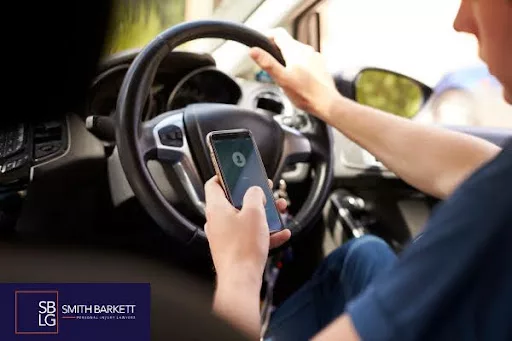
Understanding the primary factors contributing to fatal car accidents in Oklahoma City's urban environment helps identify potential liability issues and guides comprehensive investigation strategies for achieving accountability and maximum recovery.
Distracted driving, including cell phone use, texting while driving, and other attention-diverting activitie,s continues to cause fatal car accidents throughout Oklahoma City, while impaired driving involving alcohol, drugs, or medication effects remains a leading cause of preventable car crash deaths requiring criminal prosecution coordination and civil liability claims.
Interstate highways through Oklahoma City experience fatal car accidents when vehicles travel at high speeds that increase impact forces and reduce driver reaction times, particularly during adverse weather conditions, construction zones, or traffic pattern changes that create unexpected hazard situations for drivers unfamiliar with roadway conditions.
Busy intersections throughout Oklahoma City create scenarios where fatal car accidents occur due to red light violations, failure to yield right-of-way, inadequate sight distances, malfunctioning traffic control devices, or poor intersection design that contributes to collision risks and severity.
Oklahoma's severe weather including ice storms, heavy rainfall, fog, and high winds creates driving conditions that contribute to fatal car accidents when drivers fail to adjust their behavior appropriately or when roadway maintenance and safety systems prove inadequate for protecting traffic during hazardous weather events.
Inexperienced teenage drivers and elderly drivers with declining physical or cognitive capabilities may be involved in fatal car accidents due to judgment errors, physical limitations, medication effects, or other age-related factors that require specialized analysis of driver capability and responsibility. National fatal car accident statistics provide important context for understanding demographic risk factors.
Vehicle defects, including brake failures, steering problems, tire defects, airbag malfunctions, or other mechanical issue,s can contribute to fatal car accidents that may involve manufacturer liability, maintenance provider negligence, or dealership service failures requiring technical analysis and expert testimony.
Fatal car accident scenes contain crucial physical evidence that must be documented and preserved immediately before traffic restoration, vehicle removal, and cleanup activities eliminate important information needed for liability determination and accident reconstruction analysis.

Law enforcement investigations of fatal car accidents involve evidence collection, witness interviews, preliminary liability assessments, and report preparation, which provide important foundation information for civil liability cases. However, these investigations may not address all legal issues relevant to family compensation claims.
Understanding police investigation procedures, report limitations, and how to coordinate with law enforcement while conducting an independent investigation ensures comprehensive evidence development and expert witness preparation for complex liability determinations.
Modern vehicles contain electronic data recorders, GPS systems, cell phone records, and other digital evidence sources that can provide crucial information about driver behavior, vehicle performance, and accident circumstances immediately preceding fatal car crashes.
Preserving and analyzing electronic evidence requires immediate legal action to prevent data destruction, coordinate with technical experts, and ensure that all available information sources are identified and secured before they become unavailable for accident reconstruction and liability analysis.
Eyewitness testimony provides important information about accident causation, driver behavior, traffic conditions, and other factors contributing to fatal car accidents, but witness availability and memory accuracy decline rapidly after accidents occur, making immediate witness identification and statement collection crucial for case success.

Fatal car accidents involving drivers with inadequate or no insurance coverage create additional challenges for family recovery, but various legal options may be available, including uninsured motorist coverage, asset recovery from responsible parties, and third-party liability claims against other potentially responsible entities.
Oklahoma's comparative negligence system affects fatal car accident cases when deceased victims may have contributed to accident causation through their own actions, but families can still recover compensation as long as the victim's fault does not exceed the responsible party's negligence.
Understanding how comparative negligence affects damage calculations, settlement negotiations, and trial strategy ensures optimal case outcomes while protecting families from insurance company attempts to exaggerate victim fault and minimize their own clients' responsibility.
Vehicle defects, including design flaws, manufacturing errors, inadequate safety systems, or recall-related issues, can contribute to fatal car accidents that may warrant product liability claims against automobile manufacturers, parts suppliers, or dealership service providers.
Government entities responsible for roadway design, construction, maintenance, and traffic control systems may bear liability for fatal car accidents when design defects, maintenance failures, or inadequate safety measures contribute to collision risks and severity.
Pursuing government liability requires understanding of governmental immunity limitations, notice requirements, claims procedures, and the specific circumstances that create public entity responsibility for roadway safety failures contributing to preventable deaths.
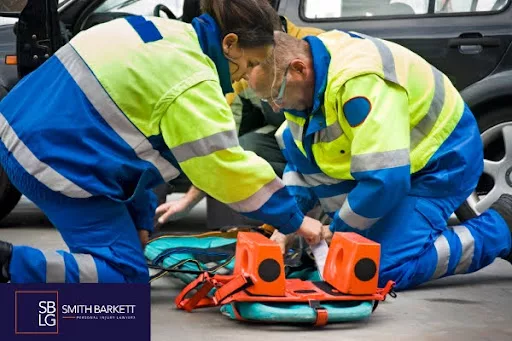
Emergency medical response quality and timing can affect both survival outcomes and legal case development, as delayed or inadequate emergency care may contribute to fatality outcomes in accidents where prompt appropriate treatment might have saved lives.
State traffic safety data and programs provide important information about emergency response capabilities and accident patterns that may be relevant to evaluating emergency medical care quality and its impact on fatal car accident outcomes.
What should we do immediately after a fatal car accident?
Contact experienced legal counsel immediately to coordinate evidence preservation, begin independent investigation, manage insurance company communications, and protect your family's legal rights while law enforcement conducts their preliminary investigation of accident circumstances and liability factors.
How do police determine fault in fatal car accidents?
Police fault determination involves physical evidence analysis, witness interviews, traffic law violation assessment, and preliminary accident reconstruction, but their conclusions may not address all civil liability issues or identify all potentially responsible parties relevant to family compensation claims.
Can we sue the car manufacturer for a fatal accident?
Vehicle manufacturer liability may exist when design defects, manufacturing errors, safety system failures, or recall-related issues contributed to accident causation or increased injury severity. Motor vehicle injury prevention research provides important safety data for evaluating manufacturer responsibility.
What if the other driver was uninsured?
Uninsured driver accidents don't prevent compensation recovery through uninsured motorist coverage, personal asset recovery, third-party liability claims, or other legal options that may provide financial resources for family support despite insurance coverage inadequacies.
How long do fatal car accident investigations take?
Investigation timelines depend on accident complexity, evidence availability, expert analysis requirements, and coordination with criminal proceedings, but legal action should begin immediately to preserve evidence and protect rights regardless of investigation completion timing.
Fatal car accidents require immediate legal response to preserve crucial evidence, coordinate with investigators, and begin the complex process of holding responsible parties accountable while protecting your family's rights and financial security during this devastating time.
Smith Barkett Law Group always puts the needs of the client first, and we can do the same for you. Contact us today for a free case consultation.
"*" indicates required fields

