

When your family is devastated by the preventable shooting death of a loved one due to negligent security, inadequate property protection, or other failures that allowed violent criminals to commit deadly acts, you need an Oklahoma City fatal shooting lawyer who understands the complex civil liability issues that arise alongside criminal prosecutions in these tragic cases.
Smith Barkett Law Group has extensive experience pursuing civil remedies for families whose loved ones were killed in preventable shootings throughout Oklahoma City, recognizing that while criminal justice focuses on punishment, civil litigation serves the equally important purpose of providing financial security for surviving families while holding property owners, security companies, employers, and other parties accountable for safety failures that enabled deadly violence. Our attorneys understand that fatal shooting cases require immediate evidence preservation, coordination with criminal investigations, and aggressive pursuit of all parties whose negligence contributed to creating the dangerous conditions that allowed preventable killings to occur.

Fatal shooting cases in urban environments like Oklahoma City often involve complex liability scenarios where multiple parties may share responsibility for creating or failing to address dangerous conditions that enabled violent criminals to commit deadly acts against innocent victims.
Civil liability for fatal shootings requires proving that the responsible parties owed duties to provide adequate security, maintain safe premises, conduct proper background checks, or take other reasonable measures that could have prevented deadly violence from occurring.
Civil lawsuits arising from fatal shootings proceed independently of criminal prosecutions, serving different purposes and utilizing different legal standards while addressing the financial devastation and accountability issues that criminal cases cannot fully resolve for surviving family members.
Understanding how civil and criminal cases interact, what evidence can be shared between proceedings, and how to coordinate legal strategies ensures optimal outcomes for families seeking both justice and financial security after losing loved ones to preventable gun violence.
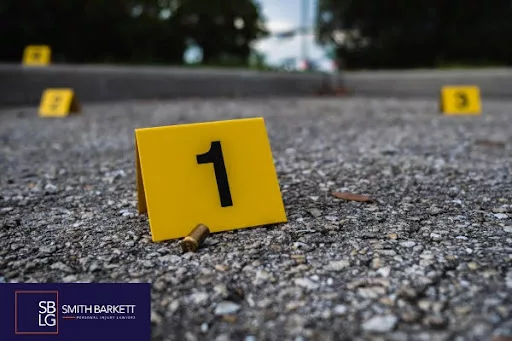
Oklahoma City's urban environment creates various scenarios where fatal shootings occur due to preventable security failures, negligent hiring practices, inadequate property protection, or other circumstances that create civil liability alongside criminal responsibility.
Property owners, including shopping centers, apartment complexes, bars, restaurants, hotels, and other commercial establishments, may bear liability for fatal shootings when inadequate security measures, poor lighting, broken surveillance systems, or failure to address known security risks contribute to creating opportunities for deadly violence.
Domestic violence fatal shootings may involve civil liability for parties who failed to enforce protective orders, provided access to firearms despite restraining orders, or ignored warning signs that could have prevented escalating violence from reaching deadly conclusions, requiring a comprehensive legal analysis of institutional responsibilities.
Fatal shootings resulting from gang activity or street crimes may involve premises liability for property owners who failed to address known criminal activity, negligent hiring claims against employers who failed to conduct proper background checks, or other liability theories addressing preventable violence.
Workplace shooting deaths may involve employer liability for inadequate security measures, failure to address threatening behavior, negligent hiring or retention of dangerous employees, or inadequate emergency response procedures that contributed to preventable workplace violence resulting in employee deaths.
Fatal shootings involving accidental weapon discharges may create liability for gun owners, firearms dealers, shooting ranges, or other parties responsible for weapon safety, training, storage, or supervision when safety failures result in preventable deaths requiring specialized legal analysis. Federal violent crime statistics and research provide important context for understanding shooting fatality patterns and prevention strategies.
Fatal police shootings may involve federal civil rights claims, municipal liability, and state law claims when excessive force or policy violations contribute to preventable deaths, requiring specialized knowledge of constitutional law, qualified immunity doctrines, and government liability standards.
Proving civil liability for fatal shootings requires demonstrating that defendants owed legal duties to prevent foreseeable violence, breached those duties through negligent acts or omissions, and that such breaches proximately caused or contributed to the deadly violence that claimed victims' lives.
Property owners have a legal obligation to provide reasonable security measures based on foreseeable crime risks, the property's location, historical patterns of violence, and the level of protection that a reasonably prudent property owner would provide under similar circumstances.
Criminal justice research and violence prevention methodology provide frameworks for analyzing security adequacies and identifying failures that contribute to preventable violence in various property types and geographic locations.
Firearms dealers and gun stores may bear liability for fatal shootings when illegal sales, inadequate background checks, straw purchase facilitation, or other violations of federal and state firearms regulations contribute to placing weapons in the hands of dangerous individuals.
Understanding federal firearms licensing requirements, background check procedures, record-keeping obligations, and sales restriction enforcement helps identify when dealer negligence contributed to preventable fatal shootings requiring civil liability analysis.
Employers have legal obligations to provide safe working environments, address threatening behavior, conduct appropriate background checks, and implement violence prevention measures that could prevent workplace shooting deaths when warning signs indicate elevated risks.
Coordinating civil fatal shooting claims with ongoing criminal prosecutions requires careful timing, consideration of evidence sharing, and strategic planning to ensure that both criminal justice and civil compensation objectives are achieved effectively.
Civil cases can proceed regardless of the outcomes of criminal cases. Still, evidence from criminal investigations, witness testimony, and expert analysis may be valuable for both proceedings when properly coordinated and preserved.
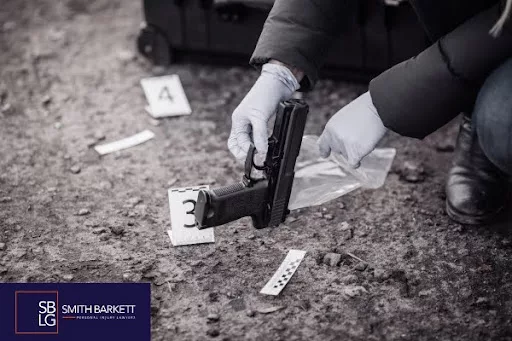
Fatal shooting cases require immediate evidence preservation, including crime scene documentation, witness identification, video surveillance collection, and coordination with law enforcement to ensure that crucial evidence remains available for both criminal prosecution and civil liability analysis.
Fatal shooting cases typically require expert testimony from security consultants, firearms specialists, ballistics experts, crime scene reconstruction specialists, and other professionals who can explain technical issues and establish liability standards.
Security experts provide crucial testimony about industry standards, reasonable security measures, threat assessment procedures, and whether defendants met appropriate standards for preventing foreseeable violence.
Police fatal shootings may involve federal constitutional claims, state civil rights violations, and municipal liability under various legal theories that require an understanding of qualified immunity, government liability limitations, and constitutional law principles.
State and federal victim compensation programs may provide immediate financial assistance for families dealing with fatal shooting expenses. Still, these programs typically have limited benefits that do not replace comprehensive civil liability recovery.
Understanding victim compensation eligibility, benefit limitations, and how these programs interact with civil litigation ensures that families access all available resources while pursuing comprehensive legal remedies.
Can we file a civil lawsuit even if there are criminal charges?
Yes, civil lawsuits and criminal prosecutions are distinct proceedings with separate purposes, legal standards, and outcomes. Civil cases seek compensation for families while criminal cases focus on punishment, and both can proceed simultaneously without interfering with each other.
What if the shooting happened on someone else's property?
Property owners may bear civil liability for fatal shootings when inadequate security, poor lighting, broken surveillance systems, or failure to address known criminal activity contributed to creating dangerous conditions that enabled deadly violence to occur.
How do we prove negligent security in fatal shooting cases?
Proving negligent security requires demonstrating that property owners failed to provide reasonable security measures based on crime history, location risk factors, and industry standards for similar properties. Public health approach to violence prevention research provides important frameworks for security adequacy analysis.
Can employers be held liable for workplace shooting deaths?
Employers may bear liability for workplace shooting deaths when inadequate background checks, failure to address threatening behavior, insufficient security measures, or poor emergency response planning contributed to preventable workplace violence resulting in employee deaths.
What damages are available in fatal shooting civil cases?
Fatal shooting damages may include economic losses such as lost income and benefits, non-economic damages for pain and suffering, funeral expenses, medical costs, and potentially punitive damages when the defendant's conduct was particularly egregious or reckless.

Fatal shooting cases require immediate legal attention to preserve crucial evidence, coordinate with ongoing criminal investigations, and begin the complex process of holding all responsible parties accountable for security failures and negligent conduct that enabled preventable gun violence.
Smith Barkett Law Group's experience with fatal shooting cases and our understanding of the complex liability issues these tragic cases present make us the right choice for families seeking both justice and financial security after losing loved ones to preventable gun violence. Contact us today for immediate legal consultation to protect your family's rights and begin the process of seeking accountability for your devastating loss.
"*" indicates required fields

